Cross-Platform Mobile Development
One codebase, two platforms — when speed-to-market matters more than pixel-perfect platform fidelity.
Strategic Dual-Platform Delivery
Building separate native iOS and Android applications requires maintaining two codebases, two engineering teams, and two release cycles — effectively doubling your mobile development investment. For many applications — particularly B2B tools, internal enterprise apps, and content-driven consumer products — this duplication provides minimal user-facing benefit while dramatically increasing development and maintenance costs.
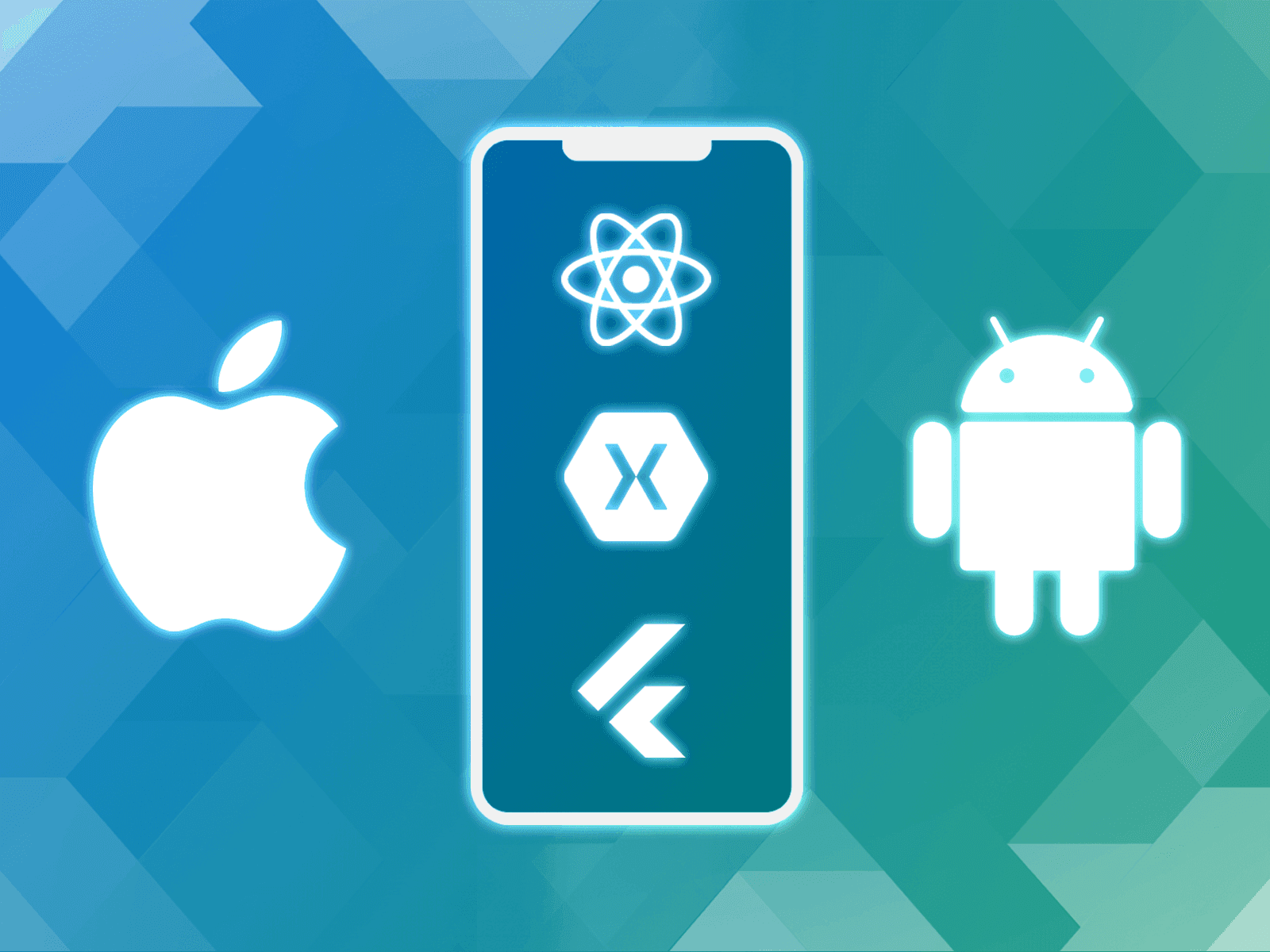
We build cross-platform mobile applications using React Native and Flutter that deliver near-native performance and user experience from a single codebase. The key word is 'strategic' — we recommend cross-platform when the application's feature set aligns with the framework's strengths, and we provide honest guidance about when native development is the superior choice despite higher initial investment.
Our cross-platform expertise includes deep native bridging capabilities. When your application requires a platform-specific feature — Apple's HealthKit, Android's barcode scanner SDK, or device-specific hardware integration — we build native module bridges that seamlessly extend the cross-platform codebase. You get 85-90% code sharing with 100% platform capability access.
The Cross-Platform Decision Framework
The most expensive mistake in mobile development is choosing the wrong platform strategy. Building two native apps when cross-platform would suffice wastes 40% of your mobile budget. But choosing cross-platform when your application demands deep platform integration (Widgets, Live Activities, advanced camera processing) delivers a mediocre experience that users rate poorly and competitors exploit.
The decision requires honest evaluation of your feature requirements, user experience expectations, team expertise, and time-to-market constraints. We provide this assessment before writing a single line of code — sometimes recommending cross-platform, sometimes recommending native, and sometimes designing a hybrid architecture where shared business logic lives in cross-platform while UI shells are native.
Without immediate structural intervention, these symptoms accelerate organizational drag and reduce operational agility.
Resource allocation becomes permanently skewed toward maintaining legacy workarounds rather than driving net-new innovation.
What We Deliver
Mobile engineering capabilities spanning native, cross-platform, and enterprise mobility solutions.
React Native Engineering
Building production-grade React Native applications that leverage your existing web development team's JavaScript/TypeScript expertise. React Native's mature ecosystem, extensive third-party library support, and hot-reload development experience enables rapid iteration cycles that dramatically compress time-to-market.
Flutter Development
Engineering beautiful, high-performance mobile applications using Google's Flutter framework and Dart programming language. Flutter's own rendering engine (Skia/Impeller) provides consistent visual output across platforms while delivering 60/120fps animation performance that rivals native implementations.
Native Bridge & Platform Integration
Building the native module bridges that extend cross-platform applications with full platform capability access. When your app needs to access Apple's HealthKit, Android's NFC reader, device Bluetooth peripherals, or manufacturer-specific hardware SDKs, we write native bridge code that exposes these capabilities to the cross-platform layer seamlessly.
Shared Code Architecture
Designing application architectures that maximize code sharing between iOS and Android while maintaining the flexibility to implement platform-specific UI where it matters. We establish clean separation between shared business logic (85-90% of code) and platform-specific presentation layers.
Cross-Platform Development Methodology
A framework-aware approach balancing platform fidelity with development velocity.
Platform Strategy Assessment
We evaluate your feature requirements against framework capabilities to confirm cross-platform is the right choice. We assess platform-specific feature dependencies, performance requirements, and team expertise. If native development is clearly superior for your use case, we will tell you honestly before you invest in the wrong direction.
Architecture & Shared Logic
We establish the project architecture — navigation structure, state management, API integration layer, and native bridge requirements. We identify which features will be shared (typically 85-90%) and which require platform-specific implementation. We configure CI/CD for both iOS and Android deployment pipelines.
Parallel Platform Development
We develop features that render and function correctly on both platforms simultaneously. Platform-specific behaviors (navigation gestures, permission dialogs, notification handling) are tested on physical iOS and Android devices in every sprint. TestFlight and Firebase App Distribution provide stakeholder access to both platform builds.
Dual-Platform Launch
We prepare simultaneous App Store and Google Play submissions with platform-appropriate screenshots, metadata, and compliance documentation. We execute coordinated rollouts with crash monitoring on both platforms and maintain a unified bug tracking system that distinguishes platform-specific issues from shared code defects.
What You Receive
Every mobility engagement produces tangible, production-ready output — not prototypes or proof-of-concepts that require additional investment.
Dual-Platform Mobile Application
A single codebase producing polished iOS and Android applications — tested on physical devices from both ecosystems, optimized for each platform's design language, and submitted to both App Store and Google Play simultaneously.
Native Bridge Documentation
Technical documentation for all native modules — API specifications, platform-specific implementation details, and testing guides. This enables your team to maintain and extend native bridges independently as platform APIs evolve.
Code Sharing Analysis Report
A quantified breakdown of shared versus platform-specific code — typically 85-90% shared. This report validates the cross-platform investment decision and identifies areas where future features may require native implementation.
OTA Update Infrastructure
For React Native/Expo: Over-The-Air update configuration enabling JavaScript bundle updates without App Store review cycles. This provides the ability to push bug fixes and minor feature updates to users instantly without waiting for Apple's review process.
Related Services

Apple iOS Development
Native Swift and SwiftUI engineering for high-performance iPhone, iPad, and Apple Watch applications.

Android Development
Kotlin-native Android engineering for consumer, enterprise, and specialized ruggedized device deployments.
.NET Application Development
Architecting high-performance, cloud-native applications utilizing modern .NET paradigms.
Apple iOS Development
Native Swift and SwiftUI engineering for high-performance iPhone, iPad, and Apple Watch applications.
Android Development
Kotlin-native Android engineering for consumer, enterprise, and specialized ruggedized device deployments.
.NET Application Development
Architecting high-performance, cloud-native applications utilizing modern .NET paradigms.