AWS DevOps & CI/CD
Eliminating manual deployment bottlenecks with fully automated, self-healing infrastructure.
Automating the Entire Delivery Pipeline
Manual deployment processes are the silent bottleneck of modern software development. When your engineers spend hours configuring servers, fighting environment inconsistencies between staging and production, and executing manual regression tests before every release, they are not shipping features — they are managing infrastructure anxiety.
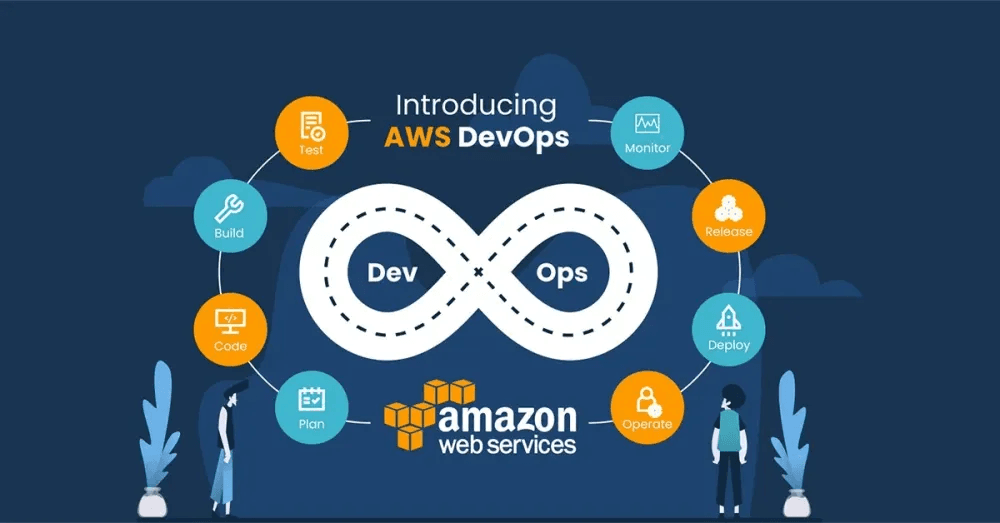
Our AWS DevOps solutions implement infrastructure as code (IaC) and fully automated CI/CD pipelines that transform deployments from terrifying, all-hands-on-deck events into routine, push-button operations. We enable teams to ship changes safely, predictably, and frequently — moving from monthly releases to multiple daily deployments by removing human error from the equation.
We do not just automate your existing broken processes. We re-engineer your entire software delivery lifecycle using Site Reliability Engineering (SRE) principles — implementing error budgets, progressive rollout strategies, and comprehensive observability that gives your team the confidence to deploy on a Friday afternoon without a single engineer losing sleep.
When to Invest in DevOps
These symptoms reveal that your delivery pipeline is costing you competitive advantage.
Environment Inconsistency
Code that works perfectly in development breaks catastrophically in production. Your staging environment drifted from production months ago because someone manually installed a library that was never documented. Nobody knows what version of Node.js is running where.
Deployment Fear
Releases require a 15-person war room, happen exclusively on weekends, and your team has a dedicated Slack channel called 'deployment-prayers.' The last three releases required emergency rollbacks, and your CTO has started asking why competitors ship features weekly.
Engineering Time Drain
Your most experienced developers spend over 30% of their time on deployment maintenance, server patching, and certificate renewals rather than writing code that generates revenue. Junior engineers are completely blocked from deploying anything independently.
Scaling Bottlenecks
Traffic spikes during marketing campaigns consistently crash your application because there is no auto-scaling configured. Recovering from an outage requires SSH-ing into individual servers and manually restarting services in a specific undocumented order.
What We Deliver
Enterprise-grade AWS capabilities with measurable, outcome-driven results for every engagement.
Infrastructure as Code (IaC)
Defining and managing your entire AWS environment through auditable, version-controlled code that eliminates configuration drift permanently. Every VPC, security group, RDS instance, and Lambda function is declared in code — meaning your infrastructure can be destroyed and perfectly recreated in minutes, not weeks.
CI/CD Pipeline Architecture
End-to-end continuous integration and continuous deployment systems that automatically build, test, and deploy code changes through multiple quality gates. A single git push triggers a cascade of automated validations that either delivers the change to production or blocks it with precise diagnostic feedback — no human gatekeepers required.
Container & Kubernetes Orchestration
Modernizing application delivery via containerized microservices running on Amazon EKS (Kubernetes) or ECS. We design the container architecture, write the Dockerfiles, configure the orchestration layer, and implement service mesh networking — ensuring your applications scale elastically and recover automatically from failures.
Observability & Incident Response
Building comprehensive monitoring, logging, and alerting systems that give your team real-time visibility into every layer of the application stack. When issues occur, our observability architecture provides the diagnostic data necessary to identify root cause in minutes rather than hours of manual log searching.
DevOps Transformation Methodology
A phased approach to transforming how software reaches production safely and rapidly.
Audit & Baseline
We review your existing codebase, branching strategies, deployment processes, and infrastructure provisioning methods. We measure your current deployment frequency, lead time, failure rate, and mean time to recovery (MTTR) — establishing a quantified baseline against DORA metrics.
Standardize & Codify
We implement GitOps practices, establish branching conventions, and convert all manually provisioned infrastructure into Terraform or CloudFormation code. Every environment — development, staging, production — is defined identically in version control.
Automate & Test
We build multi-stage CI/CD pipelines with automated testing gates, container image builds, security scanning, and progressive deployment strategies. We configure canary releases that automatically roll back on error rate thresholds — making safe deployments the default.
Monitor & Iterate
We deploy CloudWatch, X-Ray, and custom alerting to provide total system visibility. We then iterate on the pipeline, continuously reducing build times, improving test coverage, and training your team to operate independently with confidence.
Industry Applications
Our AWS strategies are aggressively tailored to the unique regulatory, competitive, and operational realities of your specific industry.
FinTech & Payment Platforms
Implementing PCI-DSS compliant CI/CD pipelines where every deployment is automatically scanned for security vulnerabilities, secrets exposure, and compliance policy violations before reaching production. Achieving 15+ daily deployments while maintaining strict regulatory audit trails.
E-Commerce & Marketplaces
Building auto-scaling Kubernetes clusters on EKS that elastically handle 50x traffic surges during flash sales. Canary deployments ensure new checkout flow changes are validated against live traffic before full rollout — preventing cart abandonment from buggy releases.
Enterprise SaaS Platforms
Implementing multi-tenant CI/CD pipelines where a single commit can deploy to 200+ customer environments simultaneously with tenant-specific configuration injection, automated database migrations, and per-tenant rollback capabilities.
Related Services
AWS Consulting & Strategy
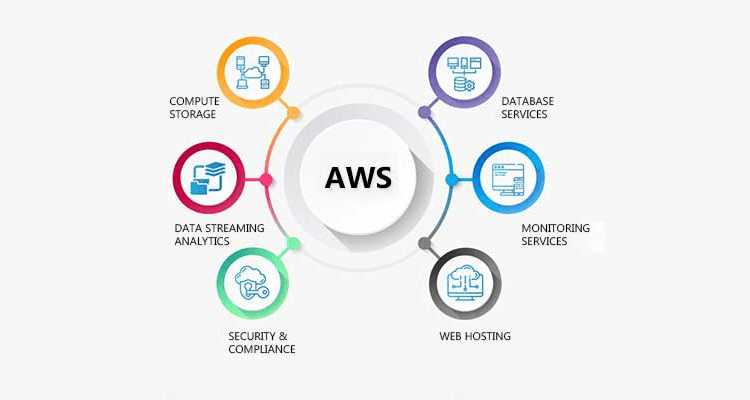
Strategic architectural guidance to maximize cloud ROI, performance, and scalability on AWS.
AWS Data & Analytics
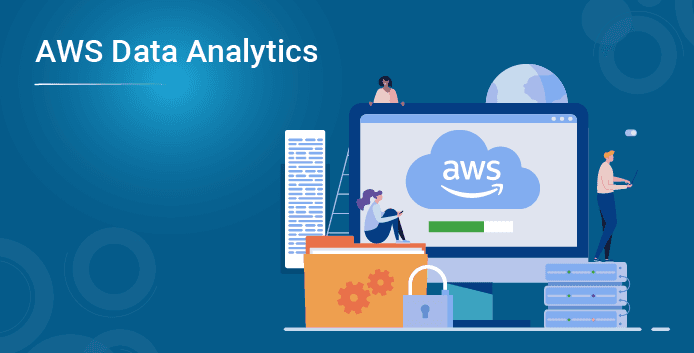
Transforming raw operational data into actionable business intelligence using AWS.
Azure Infrastructure & Networking
Designing resilient network topologies and scalable cloud infrastructure in Azure.
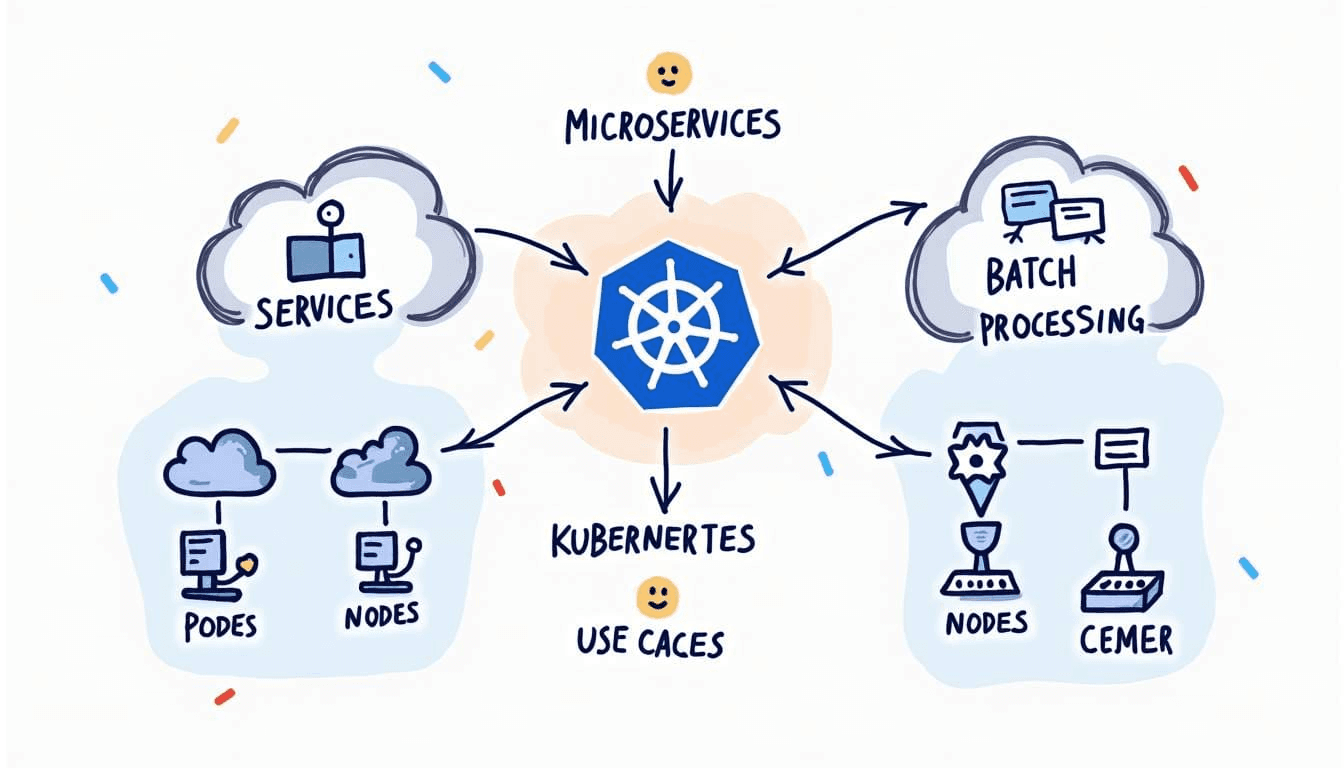
GCP Infrastructure & DevOps
Engineering scalable, Kubernetes-native infrastructure and CI/CD automation on Google Cloud.
AWS Consulting & Strategy
Strategic architectural guidance to maximize cloud ROI, performance, and scalability on AWS.
AWS Data & Analytics
Transforming raw operational data into actionable business intelligence using AWS.
Azure Infrastructure & Networking
Designing resilient network topologies and scalable cloud infrastructure in Azure.
GCP Infrastructure & DevOps
Engineering scalable, Kubernetes-native infrastructure and CI/CD automation on Google Cloud.