
Azure Infrastructure & Networking
Enterprise-grade network architecture engineered for zero-trust security and multi-region resilience.
Building the Secure Enterprise Backbone
At the core of every highly available cloud application is an aggressively secure, deeply planned network infrastructure. In Azure, a single misconfigured Network Security Group or publicly exposed IP address is all it takes to trigger a headline-making security breach that damages customer trust and triggers regulatory investigations.
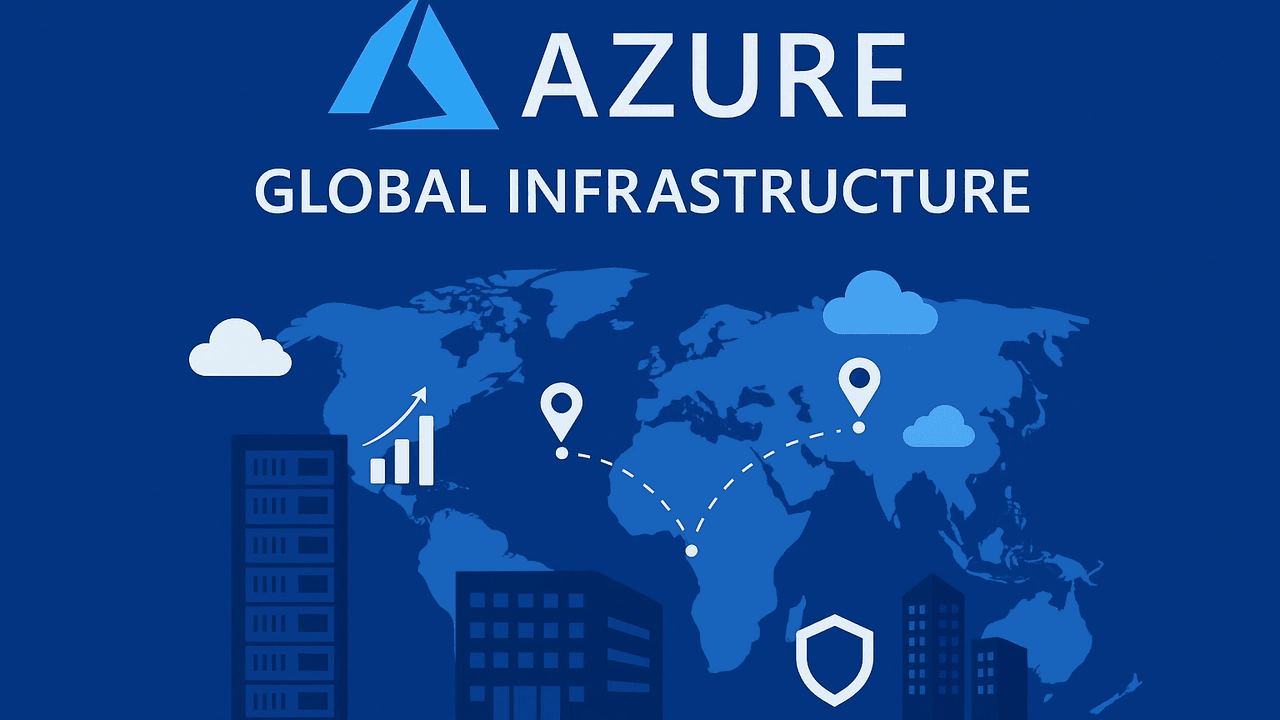
We design and deploy robust Azure Infrastructure components ranging from global Hub-and-Spoke networks, ExpressRoute secure connections, zero-trust firewalls, and complex identity layers. Our architectures guarantee multi-region resilience — meaning an entire Azure region can suffer a catastrophic outage and your applications continue serving customers from a secondary region within minutes.
Infrastructure is not an afterthought — it is the foundation that determines whether your applications can scale safely, survive failures gracefully, and maintain the security posture that enterprise customers and regulatory bodies demand. We treat infrastructure as code, ensuring every firewall rule, routing table, and DNS zone is version-controlled, auditable, and reproducible.
The Necessity of Resilient Infrastructure
These challenges compound daily. Without strategic intervention, each month adds cost, risk, and technical debt to your Azure environment.
Ransomware Vulnerability
Flat, unsegmented networks allow malicious actors to spread laterally across your entire cloud estate instantly. A single compromised VM becomes a gateway to every database, file share, and application in your Azure tenant.
Compliance Failures
Without deep network traffic inspection, companies systematically fail SOC2, HIPAA, and PCI-DSS audits by leaving data exposure points open. Auditors require proof of network segmentation, encryption in transit, and access logging that most Azure deployments lack.
Single Points of Failure
Failing to utilize Availability Zones or multi-region deployments means a regional Azure outage takes your entire business offline. Companies that experienced the 2023 Azure South Central US outage learned this lesson at catastrophic cost.
Infrastructure Engineering Capabilities
Enterprise networking, security, and automation services for Azure environments.
01Network Topology Design
Structuring highly segmented Hub-and-Spoke VNet configurations that precisely map to your corporate organizational structure. The hub contains shared services (firewall, DNS, VPN gateways) while spokes isolate workloads by environment, business unit, or compliance tier.
02Zero-Trust Security Implementation
Protecting cloud perimeters with enterprise-grade traffic inspection and threat protection following Microsoft's Zero Trust model. We implement defense-in-depth architectures where every network hop is authenticated, encrypted, and logged — assuming breach at every layer.
03Infrastructure as Code (IaC)
Automating the provisioning of complex, multi-subscription Azure infrastructure using declarative code templates. Every resource — from virtual networks to firewall rules to diagnostic settings — is defined in version-controlled code that can be reviewed, tested, and deployed through CI/CD pipelines.
04Disaster Recovery & High Availability
Designing multi-region architectures that maintain business continuity during Azure regional outages. We implement active-passive and active-active deployment patterns with automated failover, ensuring your applications meet the Recovery Time Objectives (RTO) and Recovery Point Objectives (RPO) your business requires.
Infrastructure Delivery Method
A systematic approach to deploying secure, resilient Azure environments at enterprise scale.
Blueprint & Design
Blueprint & Design
We design the complete networking schema, IP addressing plan, subnet segmentation, NSG rules, DNS strategy, and access control model. Every design decision is documented in an Architecture Decision Record (ADR) with justification linked to specific security, compliance, or performance requirements.
Codify & Template
Codify & Template
We write production-grade Bicep modules or Terraform configurations that define the entire infrastructure as auditable, version-controlled code. Module patterns are designed for reuse — a new spoke VNet can be deployed to any region with a single parameter change.
Provision & Integrate
Provision & Integrate
We execute the automated deployment across development, staging, and production subscriptions. Network peering, firewall rules, DNS zones, and diagnostic settings are applied uniformly. We validate connectivity, latency, and throughput between every network segment.
Validate & Harden
Validate & Harden
We perform comprehensive validation including network penetration testing, failover drills, and load testing under realistic traffic patterns. We configure Microsoft Defender for Cloud with enhanced security and continuous compliance monitoring against CIS benchmarks.
Related Services
Azure Migration Services
Secure, structured migrations transitioning legacy systems to Microsoft Azure.

Azure Consulting & Strategy
Enterprise-grade planning to align your Microsoft Azure investments with core business objectives.
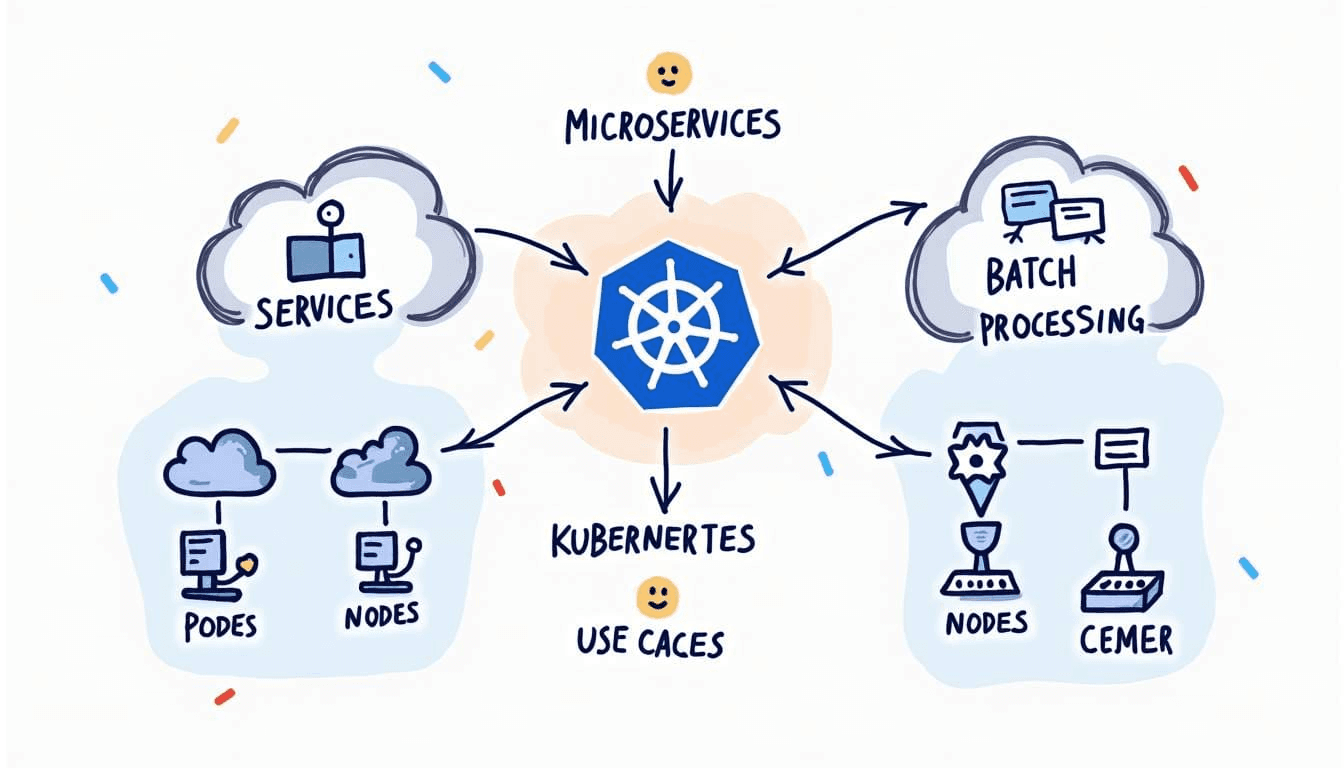
GCP Infrastructure & DevOps
Engineering scalable, Kubernetes-native infrastructure and CI/CD automation on Google Cloud.
Azure Migration Services
Secure, structured migrations transitioning legacy systems to Microsoft Azure.
Azure Consulting & Strategy
Enterprise-grade planning to align your Microsoft Azure investments with core business objectives.
GCP Infrastructure & DevOps
Engineering scalable, Kubernetes-native infrastructure and CI/CD automation on Google Cloud.