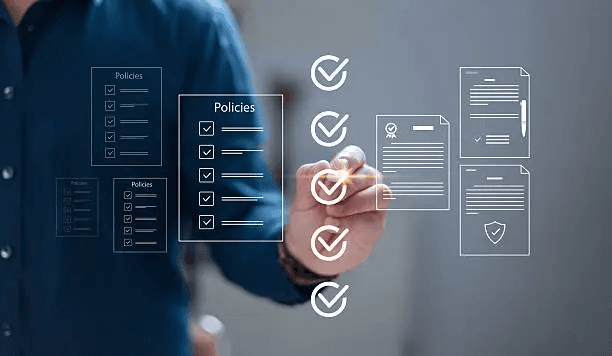
Architecting Enterprise Data
Establish data sovereignty and strategic precision. We map complex enterprise pipelines to align with your core business growth objectives.
Why Data Strategy Matters
A modern enterprise cannot scale if its core strategic decisions are fueled by fragmented or inaccurate data. Without a unified data strategy, departments build competing data silos, analytics teams waste months cleaning inconsistent records, and executives make multi-million dollar decisions based on spreadsheets that were outdated before they were printed.
We architect rigorous, enterprise-wide data strategies that align with your core business objectives. Our consultants map complex corporate data silos, establish strict governance guardrails, and construct a phased roadmap to transition your legacy analytics platforms into centralized, cloud-native ecosystems. The result is a single, authoritative source of truth that the entire organization trusts.
This is not a theoretical exercise. We deliver an executable blueprint complete with technology recommendations, migration sequencing, compliance frameworks, and precise cost projections — giving your board the confidence to invest and your engineering teams the clarity to execute.

When to Engage a Data Strategist
Organizations typically seek formal data strategy consulting when they encounter one or more of these critical inflection points.
Departmental Data Silos
Sales, marketing, and finance each maintain separate dashboards that contradict one another, making enterprise-wide reporting unreliable and eroding trust in analytics.
Regulatory Pressure
Upcoming GDPR, HIPAA, or SOC 2 audits have exposed that your organization lacks formal data lineage documentation, retention policies, or role-based access controls.
M&A Data Consolidation
Following a merger or acquisition, you need to unify two entirely separate data ecosystems — different schemas, different tools, different naming conventions — without disrupting active reporting.
Cloud Migration Readiness
Your CTO wants to move analytics to the cloud, but nobody has mapped which data sources feed which reports, creating risk of breaking critical downstream dashboards during migration.
What We Deliver
Our Data Strategy practice produces tangible, actionable outputs — not slide decks that collect dust.
Enterprise Data Landscape Audit
We catalog every data source, pipeline, warehouse, and reporting tool across your organization, creating a comprehensive inventory that reveals redundancies, gaps, and fragmentation.
KPI Alignment Framework
We work directly with your C-suite and department heads to define exactly which metrics matter, how they should be calculated, and where the authoritative source of each figure lives.
Governance & Compliance Architecture
We design data stewardship roles, access control policies, retention schedules, and compliance documentation that satisfy regulators while remaining practical for day-to-day operations.
Additional Capabilities
Our Consulting Framework
We follow a structured, four-phase engagement model that moves from discovery to an executable roadmap — typically completed within 4 to 8 weeks depending on enterprise complexity.
Business Alignment Workshop
We facilitate structured sessions with business stakeholders to understand strategic priorities, identify the KPIs that actually drive decisions, and document the questions leadership needs data to answer.
Technical Infrastructure Audit
Our engineers conduct a deep technical assessment of your current ERP, CRM, and analytics platforms — mapping data flows, identifying bottlenecks, cataloging schema inconsistencies, and assessing pipeline reliability.
Governance & Compliance Design
We draft data stewardship policies, define role-based access matrices, establish PII isolation protocols, and create disaster recovery procedures that meet your industry-specific regulatory requirements.
Transformation Roadmap Delivery
We deliver a precise, phased architectural blueprint that includes technology selection, migration sequencing, resource planning, timeline estimates, and success metrics for each phase of the transition.
Industry Applications
Every industry generates data. The difference between market leaders and followers is whether that data is trapped in silos or transformed into intelligence that drives decisions, reduces costs, and creates competitive advantage.
Financial Services
Unifying trading, compliance, and risk data across 12 global offices into a single Snowflake warehouse with role-based access controls satisfying SEC and FCA requirements.
Healthcare
Establishing HIPAA-compliant data governance across 40+ hospital EMR systems, enabling cross-facility patient outcome analytics while maintaining strict PHI isolation.
Retail & E-Commerce
Consolidating POS, inventory, and digital marketing data streams to create a single customer 360 view, enabling personalized promotions that increased conversion by 28%.
Related Services