
Apple iOS Development
Native Apple experiences engineered for performance, privacy, and pixel-perfect design.
Native Apple Engineering Excellence
The Apple ecosystem demands a level of design craftsmanship and performance optimization that cross-platform frameworks cannot deliver. Users who pay premium prices for Apple hardware expect applications that feel indistinguishable from Apple's own — fluid 120Hz animations, instant gesture responses, seamless device handoff between iPhone and iPad, and deep integration with system features like Siri, Widgets, and Live Activities.
We engineer native iOS applications using Swift and SwiftUI that exploit every capability of Apple's hardware and software ecosystem. From leveraging the Neural Engine for on-device machine learning to implementing Apple Pay with subscription management, our applications deliver the premium experience that Apple users evaluate with the highest standards in the industry.
Beyond consumer applications, we build enterprise iOS solutions deployed through Apple Business Manager with managed device configuration, corporate VPN integration, and custom keyboard restrictions. For industries like healthcare, field services, and logistics, we develop rugged-ready iPad applications that replace paper-based workflows with touch-optimized, offline-capable digital operations.
Why Native iOS Matters
Cross-platform frameworks promise 'write once, run everywhere' efficiency but consistently fail to deliver the premium user experience that Apple customers demand. Flutter and React Native applications exhibit subtle but perceptible jank — 16ms frame drops during scroll momentum, non-native gesture physics that feel 'off' to experienced iPhone users, and delayed responses to system events like orientation changes and keyboard appearance.
More critically, cross-platform apps cannot access the latest Apple platform features for months (sometimes years) after their release. When Apple announces a new capability at WWDC — Dynamic Island integration, StoreKit 2 subscription management, or App Intents for Siri Shortcuts — native developers have same-day access while cross-platform frameworks play catch-up. In competitive App Store markets, this delay costs rankings and downloads.
Without immediate structural intervention, these symptoms accelerate organizational drag and reduce operational agility.
Resource allocation becomes permanently skewed toward maintaining legacy workarounds rather than driving net-new innovation.
What We Deliver
Mobile engineering capabilities spanning native, cross-platform, and enterprise mobility solutions.
SwiftUI & Modern iOS Architecture
Building applications using Apple's declarative UI framework and modern architectural patterns that enable rapid development cycles while maintaining the performance and testability standards that production applications demand. We design clean, modular codebases that scale from MVP to enterprise without architectural rewrites.
Apple Ecosystem Integration
Integrating deeply with Apple's hardware and software ecosystem to create experiences that feel like natural extensions of the device itself. We implement features that cross-platform frameworks cannot access — Live Activities, Dynamic Island, WidgetKit, App Clips, SharePlay, and Handoff — providing genuine competitive differentiation.
On-Device Intelligence
Deploying machine learning models directly on Apple's Neural Engine for real-time inference without network dependency. Core ML enables vision processing, natural language understanding, and predictive features that operate entirely on-device — protecting user privacy while delivering sub-millisecond response times.
Enterprise & MDM Deployment
Deploying iOS applications within enterprise environments using Apple Business Manager, managed app configuration, and corporate device management policies. We design applications that comply with enterprise security requirements — certificate-based authentication, managed VPN tunneling, and corporate data containerization.
iOS Development Lifecycle
A structured approach to delivering polished, performant Apple platform applications.
Discovery & Design
We define the core user journeys, prioritize feature sets for the initial release, and design the UI/UX following Apple's Human Interface Guidelines. We produce interactive Figma prototypes that stakeholders can test on actual devices before any code is written.
Architecture & Foundation
We establish the project architecture — module structure, networking layer, persistence strategy, and dependency injection container. We configure CI/CD pipelines (Xcode Cloud or Fastlane) for automated building, testing, and TestFlight distribution.
Development & Testing
We develop features in sprint cycles, delivering TestFlight builds to stakeholders every 1-2 weeks for hands-on testing. Each feature includes unit tests, snapshot UI tests, and accessibility validation. We prioritize performance profiling using Instruments to catch frame drops and memory leaks early.
App Store Submission & Launch
We prepare the App Store listing — screenshots, preview videos, keyword optimization, and privacy nutrition labels. We handle Apple review submission, address any review feedback, and execute the launch strategy including phased rollout and crash monitoring through App Store Connect analytics.
What You Receive
Every mobility engagement produces tangible, production-ready output — not prototypes or proof-of-concepts that require additional investment.
Production-Ready iOS Application
A polished, performant native iOS application built in Swift/SwiftUI, thoroughly tested across supported devices and iOS versions, and submitted to the App Store with optimized metadata for maximum discoverability.
CI/CD Pipeline & Certificates
Automated build and deployment infrastructure — Xcode Cloud or Fastlane configurations, provisioning profile management, code signing certificate setup, and TestFlight distribution workflow for ongoing beta testing.
Architecture Documentation
Comprehensive technical documentation covering module structure, data flow diagrams, API specifications, and persistence schema — enabling your internal team to maintain and extend the application independently.
App Store Optimization Package
Keyword research, competitive positioning analysis, optimized screenshots and preview videos, and a launch strategy document — designed to maximize organic App Store visibility and download conversion rates.
Related Services

Android Development
Kotlin-native Android engineering for consumer, enterprise, and specialized ruggedized device deployments.
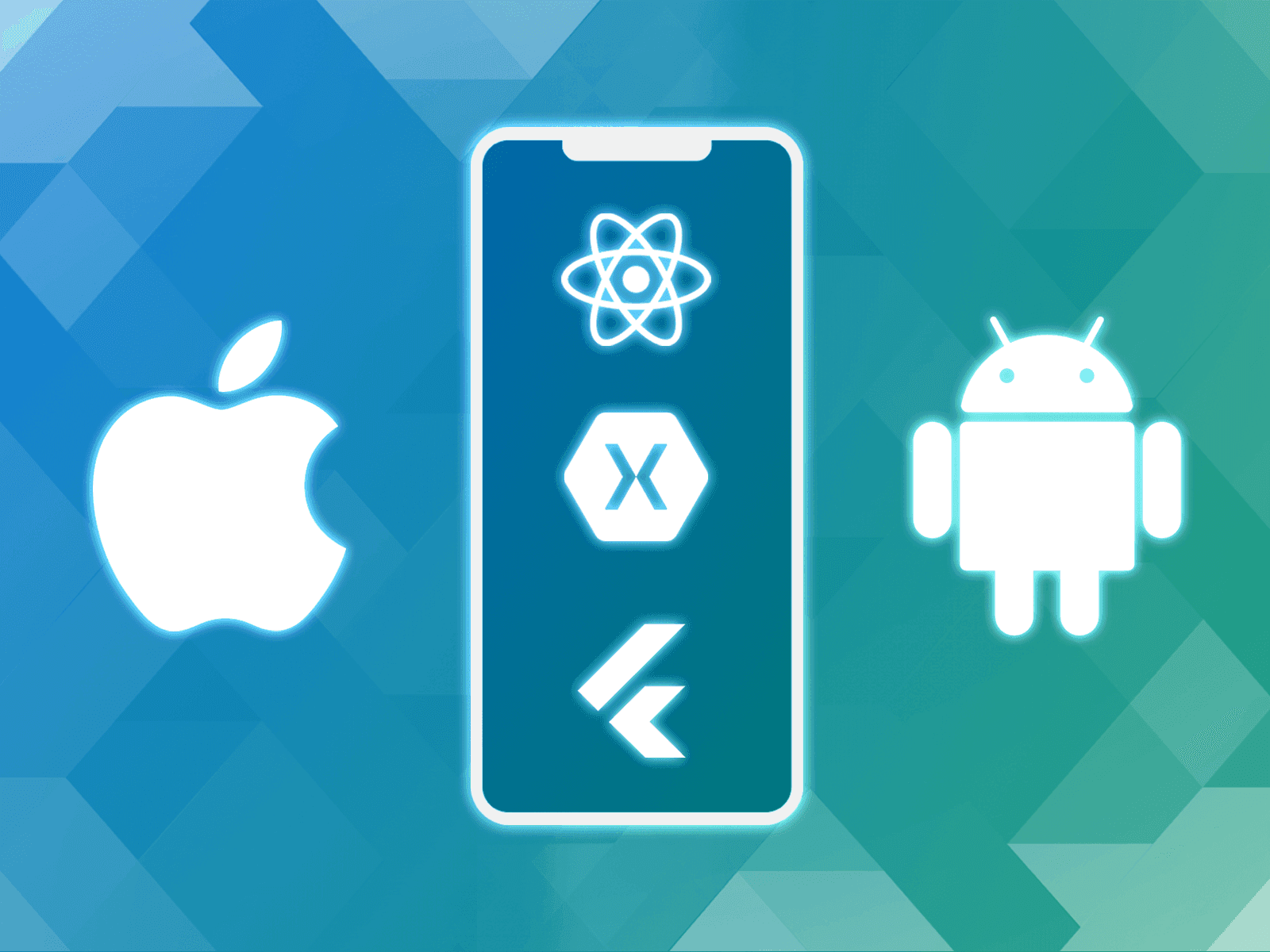
Cross-Platform Mobile Development
React Native and Flutter solutions delivering native-quality mobile applications from a single codebase.
AWS AI & Machine Learning
Deploying production-grade machine learning models and generative AI on AWS.
Azure AI & Copilot Solutions
Integrating OpenAI models securely across your Microsoft enterprise environment.
Android Development
Kotlin-native Android engineering for consumer, enterprise, and specialized ruggedized device deployments.
Cross-Platform Mobile Development
React Native and Flutter solutions delivering native-quality mobile applications from a single codebase.
AWS AI & Machine Learning
Deploying production-grade machine learning models and generative AI on AWS.
Azure AI & Copilot Solutions
Integrating OpenAI models securely across your Microsoft enterprise environment.