Google Cloud Consulting & Strategy
Open-source-native cloud strategy that prevents vendor lock-in while leveraging Google's infrastructure advantage.
Cloud Without the Lock-In
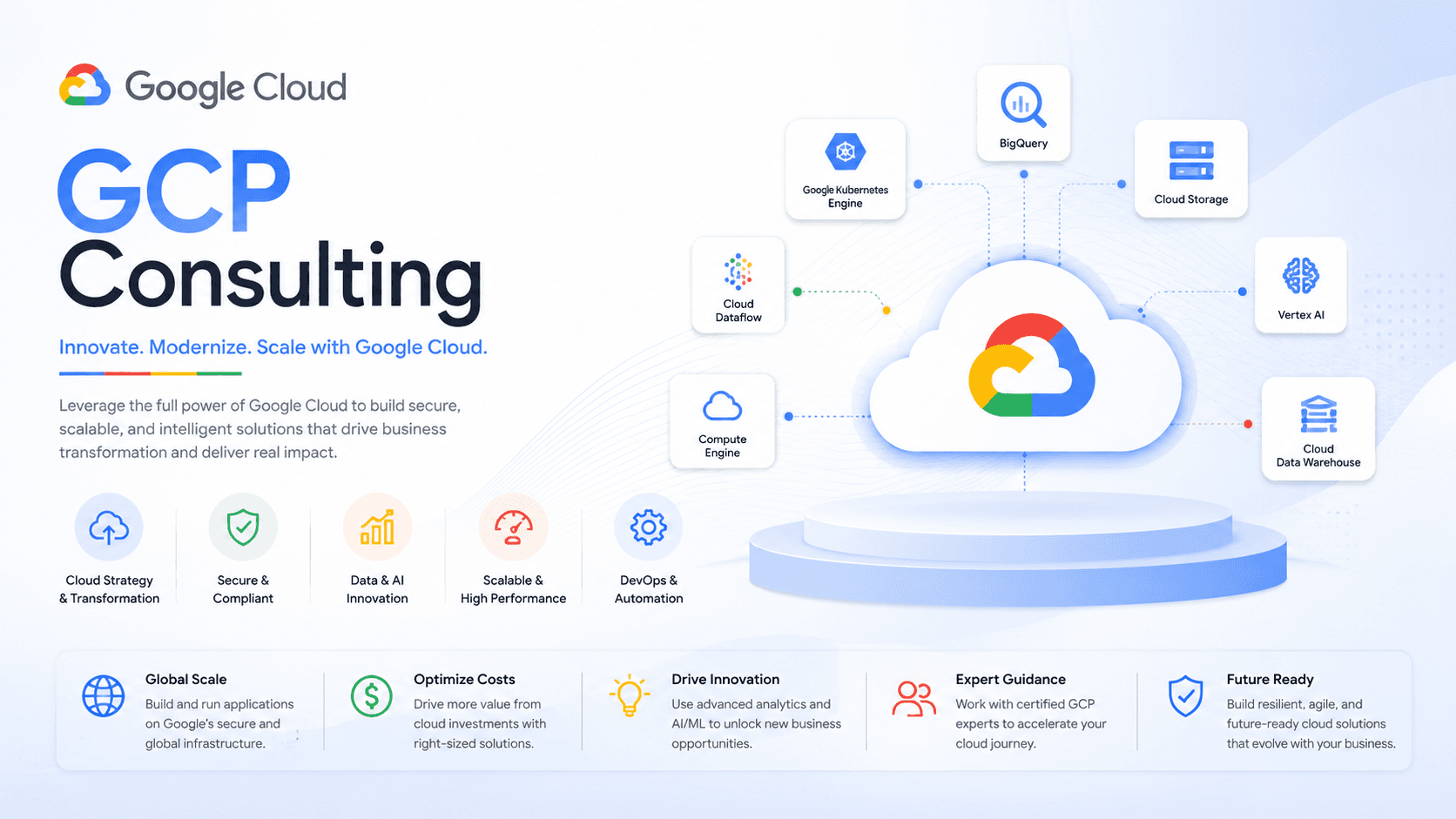
Google Cloud Platform offers a uniquely compelling value proposition for organizations that prize open-source portability and data analytics supremacy. Unlike proprietary cloud ecosystems that lock customers into vendor-specific service abstractions, GCP builds on open standards — Kubernetes (which Google invented), Apache Beam, TensorFlow, and PostgreSQL-compatible databases — ensuring your investment is never held hostage by a single vendor.
Our GCP Consulting practice designs cloud architectures that exploit Google's strengths — the planet's most advanced global fiber network, industry-leading BigQuery analytics, Kubernetes-native compute, and cutting-edge AI/ML infrastructure — while maintaining the architectural portability that lets you move workloads between clouds if business conditions change.
We specialize in guiding data-intensive organizations onto GCP. If your business generates, processes, or monetizes massive quantities of data — whether through analytics, machine learning, real-time streaming, or data marketplace operations — GCP's purpose-built data infrastructure delivers superior price-performance compared to equivalent architectures on competing platforms.
When GCP Strategy Creates Advantage
Scenarios where Google Cloud delivers decisive business impact.
Data-Intensive Workloads
Your analytical queries regularly scan petabytes of data, and your current data warehouse is either prohibitively expensive (Snowflake, Redshift) or painfully slow. BigQuery's serverless, auto-scaling architecture handles petabyte queries in seconds with zero infrastructure management.
Kubernetes-Native Teams
Your engineering culture is deeply invested in containerized microservices and Kubernetes orchestration. GKE (Google Kubernetes Engine) is the most mature, performant managed Kubernetes service available — built by the team that invented Kubernetes itself.
Multi-Cloud or Cloud Exit Strategy
Your board mandates contractual flexibility to prevent single-vendor dependency. GCP's foundation on open-source technologies (Kubernetes, BigQuery's ANSI SQL, Cloud Run's Knative base) provides genuine multi-cloud portability that proprietary service abstractions on other clouds cannot match.
AI/ML Research-to-Production Gap
Your data science teams prototype extensively in TensorFlow, JAX, or PyTorch, but deploying models to production at scale remains elusive. GCP's Vertex AI platform provides the most seamless path from experimentation to production ML — especially for organizations already in the TensorFlow ecosystem.
Strategic GCP Capabilities
Comprehensive consulting services for enterprises adopting Google Cloud.
Architecting GCP Organization nodes, folder hierarchies, and project structures that enforce security boundaries, cost allocation, and compliance controls at scale. We implement Organization Policies that prevent misconfigurations before they happen — blocking public resource creation, enforcing encryption, and restricting service deployment to approved regions.
Designing Shared VPC architectures that centralize network control while allowing individual project teams to deploy workloads independently. We implement Google's BeyondCorp Zero Trust model — eliminating traditional VPN-dependent perimeter security in favor of identity-aware, context-driven access controls.
Implementing comprehensive financial governance across your GCP estate. Google's sustained-use discounts apply automatically, but committed-use discounts, flat-rate BigQuery pricing, and preemptible/spot VM strategies require deliberate planning to maximize savings without compromising performance.
Planning structured migrations from on-premises or competing cloud platforms to GCP. We use Google's Cloud Adoption Framework to assess workloads, select migration strategies (rehost, refactor, replatform), and design the phased execution plan that minimizes business disruption during transition.
GCP Advisory Framework
A structured methodology for enterprise GCP adoption aligned to business outcomes.
Assessment & Alignment
We evaluate your current infrastructure, application portfolio, and organizational readiness for GCP adoption. We identify the workloads where GCP delivers the highest ROI — typically data analytics, containerized applications, and ML workloads — and design the business case for migration.
Foundation Design
We architect the GCP Landing Zone — Organization node, folder hierarchy, Shared VPC, IAM structure, logging, and monitoring. Every design decision is documented and aligned to compliance requirements (SOC2, HIPAA, PCI-DSS as applicable).
Deployment & Migration
We deploy the infrastructure using Terraform and migrate prioritized workloads in structured waves. Each wave includes thorough testing, performance validation, and stakeholder signoff before proceeding to the next batch.
Optimization & Governance
Post-migration, we optimize compute sizing, implement CUD purchasing, configure Cloud Monitoring alerting, and establish the governance policies that prevent future architectural drift. We train your team to manage the environment independently.
Industry Applications
Google Cloud solutions built for the world's most demanding data, ML, and infrastructure challenges.
Media & Entertainment
Designing GCP architectures for video streaming platforms leveraging Google's global CDN network, Transcoder API for adaptive bitrate encoding, and BigQuery for real-time viewer analytics — supporting millions of concurrent streams with sub-100ms content delivery worldwide.
Retail & E-Commerce
Architecting Recommendations AI integration with GCP's retail-specific APIs for personalized product discovery, search relevance tuning, and dynamic pricing optimization — leveraging the same technology that powers Google Shopping's product ranking algorithms.
Gaming & Interactive Media
Designing Agones-based game server infrastructure on GKE for massively multiplayer online games — auto-scaling server fleets across global regions with sub-50ms player-to-server latency and integrated Spanner databases for globally consistent game state management.
Related Services
GCP Migration Services
Structured, zero-downtime migrations from on-premises or competing clouds to Google Cloud.
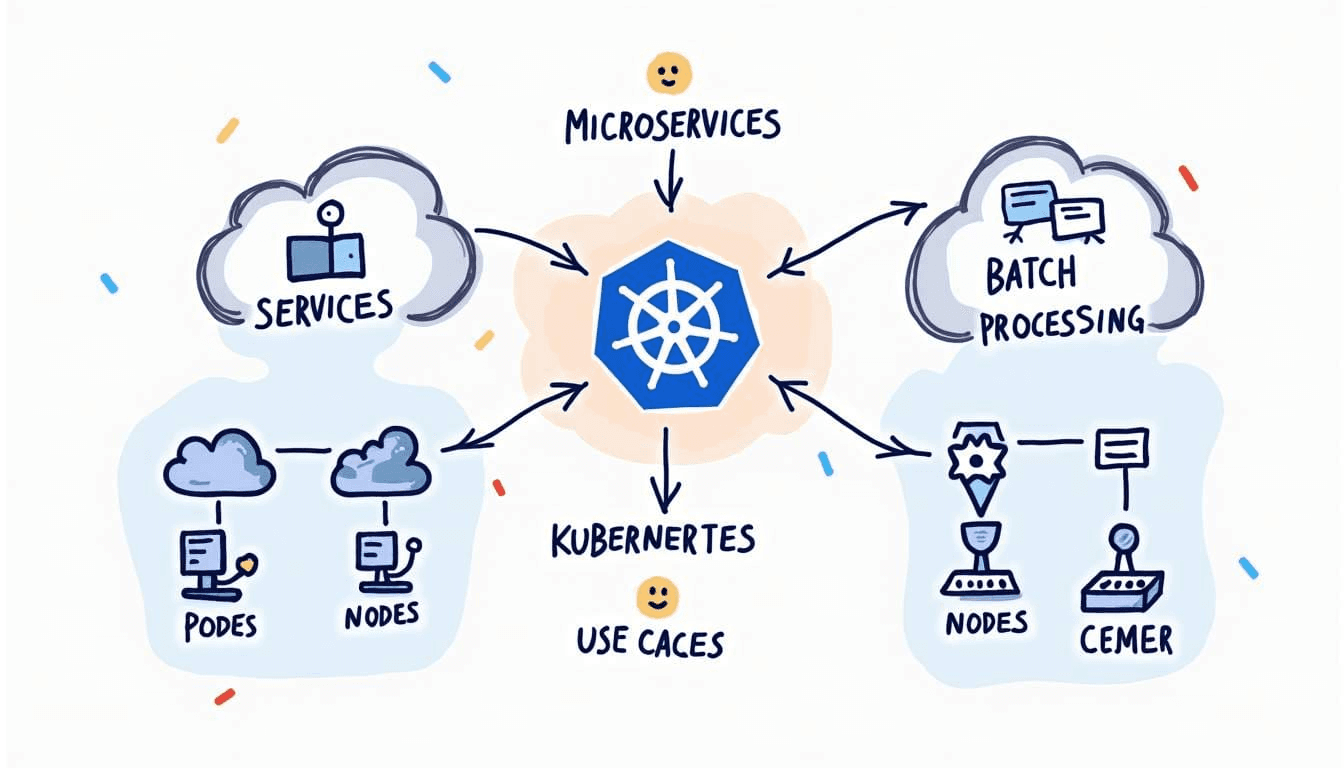
GCP Infrastructure & DevOps
Engineering scalable, Kubernetes-native infrastructure and CI/CD automation on Google Cloud.
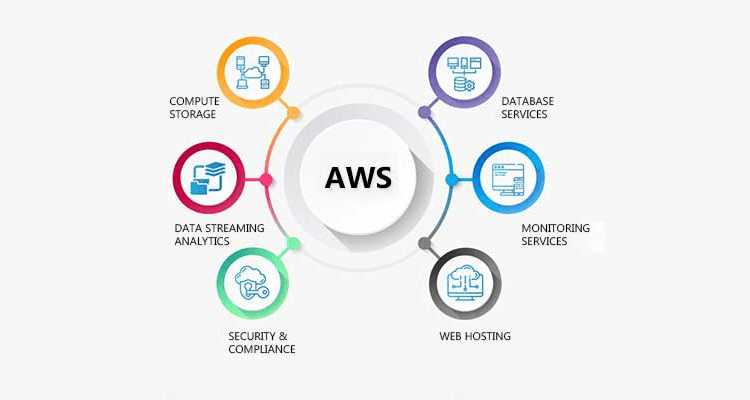
AWS Consulting & Strategy
Strategic architectural guidance to maximize cloud ROI, performance, and scalability on AWS.
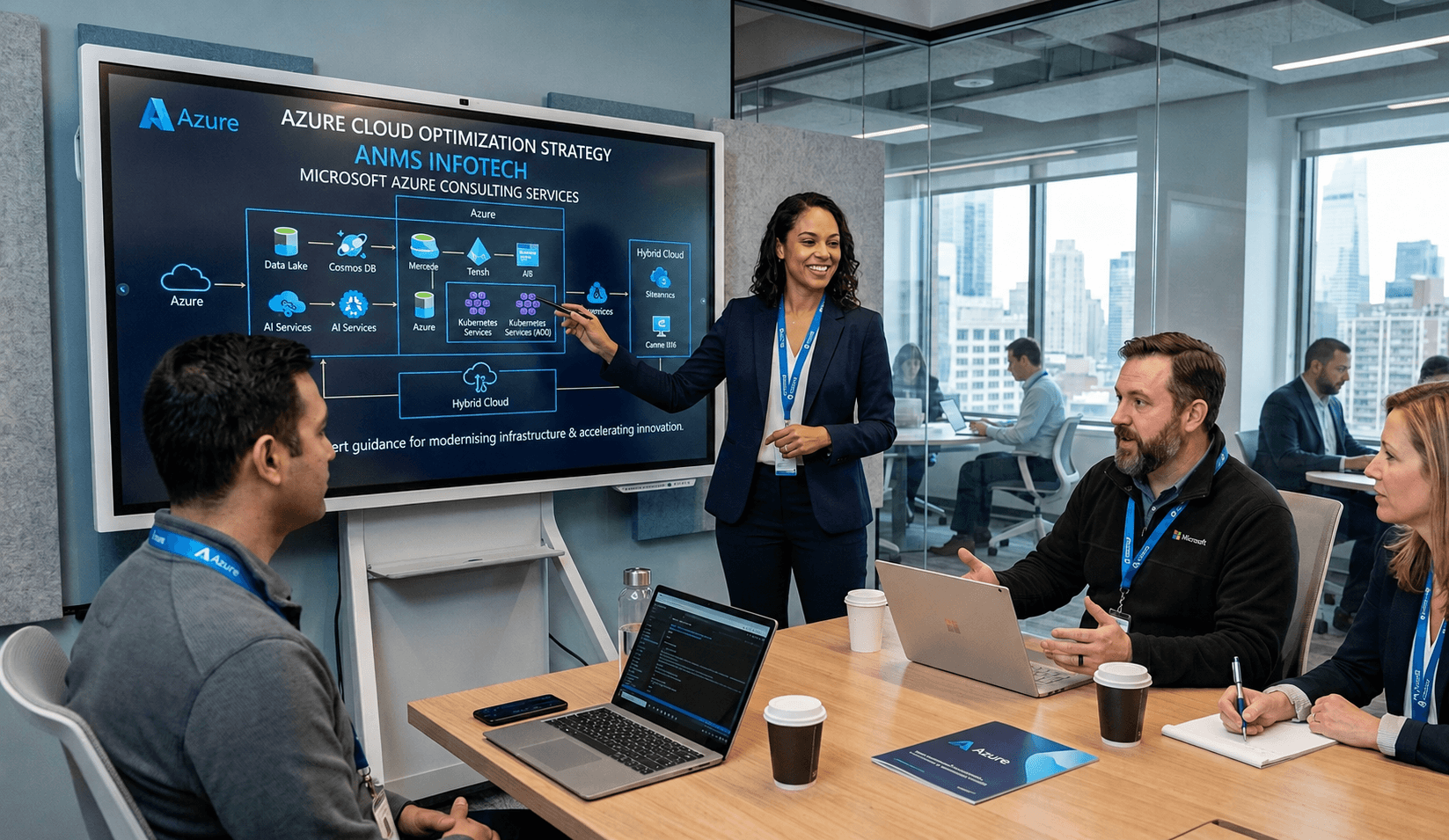
Azure Consulting & Strategy
Enterprise-grade planning to align your Microsoft Azure investments with core business objectives.
GCP Migration Services
Structured, zero-downtime migrations from on-premises or competing clouds to Google Cloud.
GCP Infrastructure & DevOps
Engineering scalable, Kubernetes-native infrastructure and CI/CD automation on Google Cloud.
AWS Consulting & Strategy
Strategic architectural guidance to maximize cloud ROI, performance, and scalability on AWS.
Azure Consulting & Strategy
Enterprise-grade planning to align your Microsoft Azure investments with core business objectives.