
Microsoft SQL Server
Surgical performance optimization and cloud-ready architecture for mission-critical SQL workloads.
The Enterprise Database Backbone
Microsoft SQL Server is the backbone of enterprise application infrastructure — powering ERP systems, financial platforms, CRM backends, and healthcare record systems across millions of organizations worldwide. Yet the vast majority of SQL Server instances operate dramatically below their performance potential because they were configured by application developers rather than database specialists.
Our SQL Server practice specializes in three high-impact areas: performance optimization that eliminates slow queries destroying user experience, AlwaysOn Availability Group architecture that guarantees zero-downtime during failures, and cloud migration strategies that transition SQL Server workloads to Azure SQL Managed Instance or Amazon RDS without application disruption.
We routinely achieve order-of-magnitude performance improvements — reducing 90-second report queries to under 2 seconds, cutting nightly batch processing from 8 hours to 45 minutes, and eliminating the deadlocks that cause intermittent application failures during peak business hours. The solutions are rarely hardware upgrades; they are index redesign, query rewriting, and proper wait statistics analysis.
When SQL Server Becomes the Bottleneck
Unaddressed database challenges silently erode application performance, regulatory posture, and competitive advantage — compounding daily.
Query Performance Degradation
Reports that ran in 5 seconds two years ago now take 3 minutes because table sizes doubled but nobody updated the indexing strategy. Users have learned to avoid running monthly reports during business hours because they cause the entire application to freeze.
Single Point of Failure
Your mission-critical database runs on a single server with no failover capability. When that server requires maintenance, patching, or suffers a hardware failure, the entire business stops. You have never tested your backup restoration process because nobody can afford the downtime to try it.
Licensing Cost Pressure
SQL Server Enterprise Edition licensing costs are consuming an increasingly large portion of your IT budget — especially after recent Microsoft price increases. Moving to Azure SQL or consolidating instances could reduce costs dramatically, but your team is terrified of touching production databases.
What We Deliver
Enterprise database capabilities spanning design, migration, performance tuning, and continuous optimization.
Performance Tuning & Query Optimization
Deep diagnostic analysis of SQL Server wait statistics, execution plans, and I/O patterns to identify the exact root causes of performance degradation. We do not guess — we use production telemetry to pinpoint the specific queries, missing indexes, and configuration settings that are destroying your database performance.
High Availability & Disaster Recovery
Designing and deploying Always On Availability Groups that provide automatic failover, readable secondary replicas, and cross-region disaster recovery. We eliminate the single points of failure that make every hardware incident and maintenance window a business-stopping emergency.
Cloud Migration to Managed Services
Strategically migrating on-premises SQL Server instances to cloud-managed alternatives that eliminate patching, backup management, and hardware refresh cycles. We evaluate Azure SQL Managed Instance, Azure SQL Database, and Amazon RDS to select the platform that provides the best feature compatibility and cost profile for your specific workloads.
Database Architecture & Modernization
Redesigning database schema, stored procedure logic, and ETL architectures that have accumulated years of technical debt. We modernize aging database designs to support modern application patterns — including read-write splitting, connection pooling optimization, and temporal table implementation for audit compliance.
SQL Server Optimization Methodology
A data-driven approach to database performance and reliability improvement.
Diagnostic Collection
We capture comprehensive performance telemetry — wait statistics, execution plan cache, I/O statistics, memory grants, and blocking chain analysis — during representative workload periods. This data drives every subsequent recommendation with quantitative evidence.
Root Cause Analysis
We analyze the diagnostic data to identify the top performance offenders — specific queries consuming disproportionate resources, missing indexes causing full table scans, configuration settings misaligned with available hardware, and contention patterns under concurrent load.
Remediation Implementation
We implement prioritized fixes in a staging environment — index creation, query rewrites, configuration changes, and schema modifications. Each change is tested under representative load to validate improvement and ensure no regression in other workloads.
Monitoring & Maintenance Plan
We deploy ongoing monitoring dashboards tracking query performance trends, index fragmentation levels, storage growth projections, and wait statistics patterns. We establish weekly automated index maintenance jobs and quarterly performance review cadences.
Related Services
Azure Migration Services
Secure, structured migrations transitioning legacy systems to Microsoft Azure.
Oracle Database Services
Oracle RAC optimization, licensing defense, and heterogeneous migration to cloud alternatives.
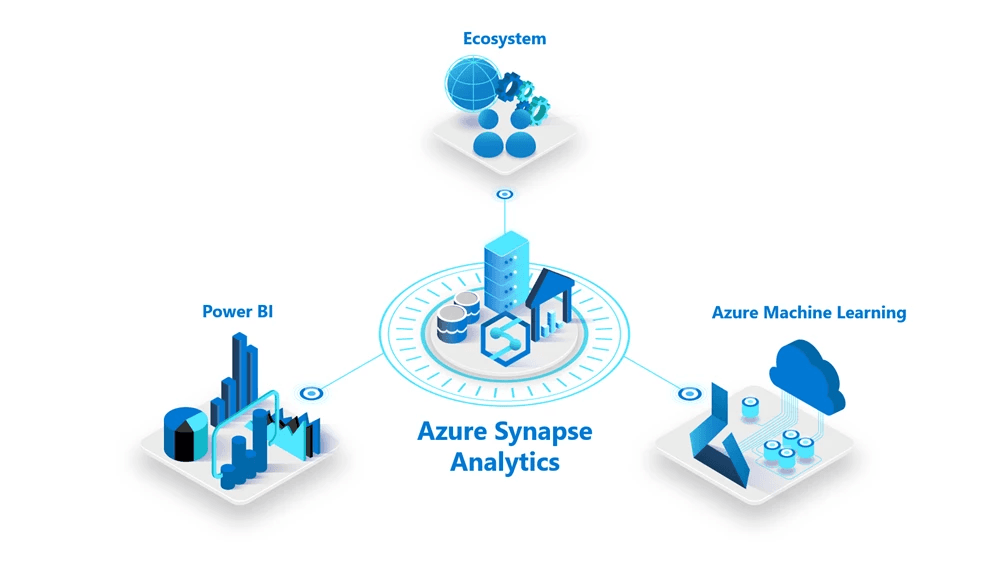
Azure Data & Analytics Services
Unlocking powerful insights using modern big data architectures on Microsoft Azure.

Microsoft & Enterprise Strategy
Aligning your vast Microsoft ecosystem investments into an impenetrable, highly efficient digital workplace.
Azure Migration Services
Secure, structured migrations transitioning legacy systems to Microsoft Azure.
Oracle Database Services
Oracle RAC optimization, licensing defense, and heterogeneous migration to cloud alternatives.
Azure Data & Analytics Services
Unlocking powerful insights using modern big data architectures on Microsoft Azure.
Microsoft & Enterprise Strategy
Aligning your vast Microsoft ecosystem investments into an impenetrable, highly efficient digital workplace.